

China’s Type 004 Aircraft Carrier May Feature Nuclear Propulsion
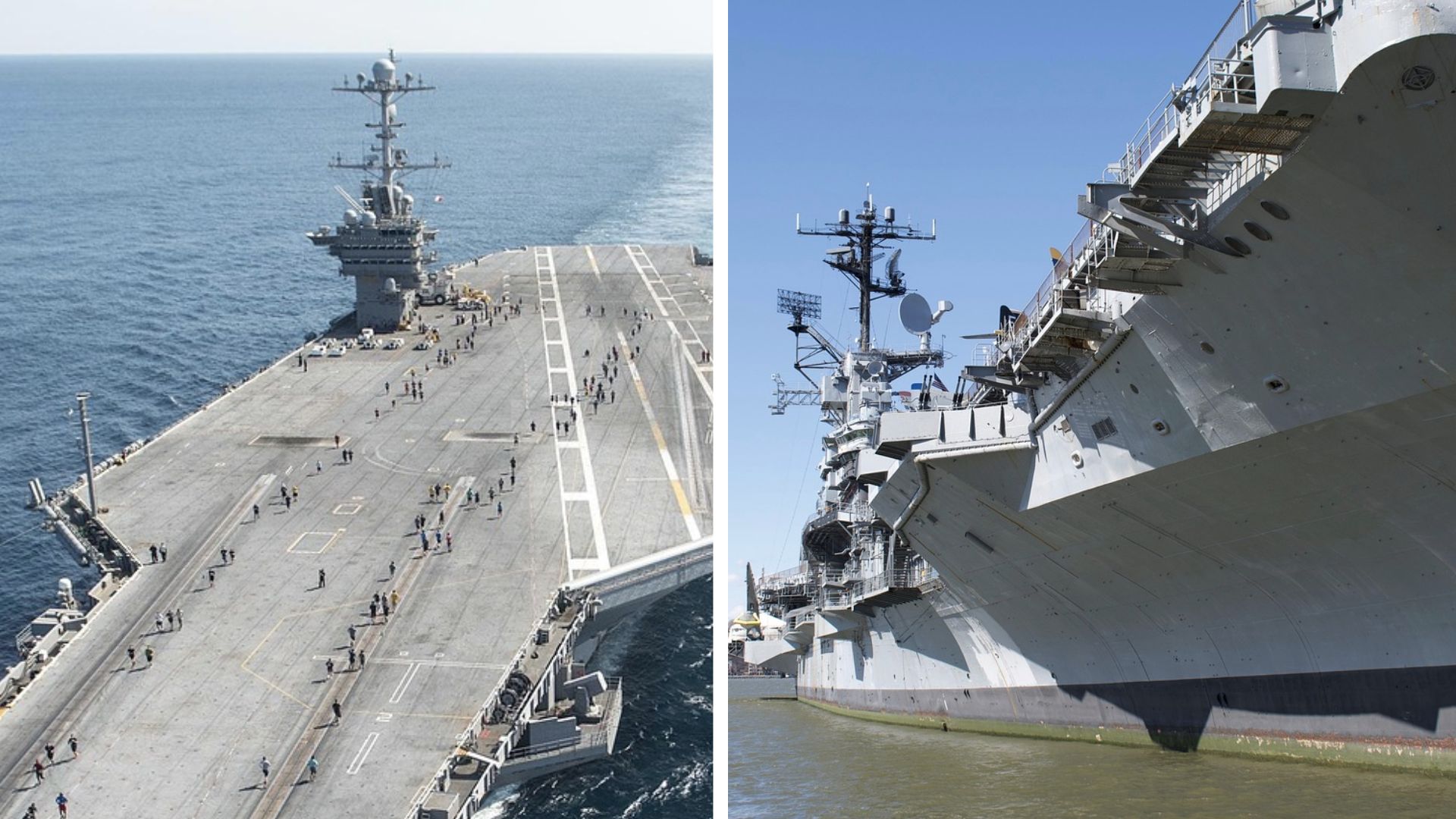
China’s new aircraft carrier, known as Type 004, may launch by the end of 2027, according to a report from the Centre for Strategic and International Studies (CSIS). This vessel could be the country’s first to utilize a nuclear-powered system.
The report highlights recent satellite images from the Dalian Shipyard in northern China, indicating rapid progress in the carrier’s construction. In less than two years, prefabricated hull components have been assembled into a recognizable structure.
The Type 004 measures approximately 1,056 feet (322 meters) in length and 150 feet (46 meters) in width, making it larger than any other surface combatant in the Chinese navy. CSIS noted that the hull’s configuration does not resemble that of civilian ships, confirming its military purpose.
It is speculated that the Type 004 could feature four aircraft launch catapults, which would enhance its operational capabilities. A larger flight deck and hangar would allow for more aircraft and improved flexibility in flight operations, enabling sustained naval aviation missions over greater distances.
The potential adoption of nuclear propulsion represents a significant advancement in China’s naval capabilities. Unlike conventionally powered carriers, nuclear vessels do not require frequent refueling, allowing them to maintain high-speed operations for extended periods and reducing logistical constraints during long deployments.
Nuclear propulsion also provides substantial energy for advanced onboard systems, including electromagnetic aircraft launch technology. If confirmed, the Type 004 would mark a crucial milestone for China’s carrier force.
China’s recent launch of the Fujian aircraft carrier, equipped with three electromagnetic catapults, demonstrates its rapid advancements in naval technology. The construction of the Type 004 poses a significant challenge to Western powers, as China’s expanding naval capabilities may alter regional military dynamics, particularly in contested maritime areas.
Related link: features.csis.org
Source: Interesting Engineering