

How 3D Printers Can Cut Costs in Expensive Hobbies
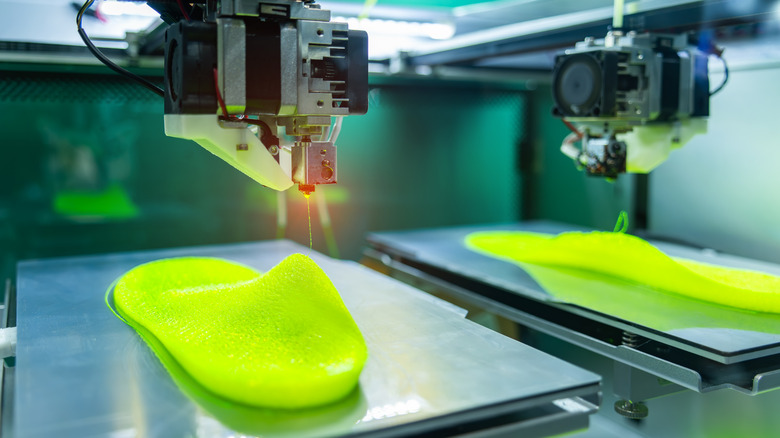
Owning a 3D printer can lead to substantial savings in various hobbies, particularly those that involve expensive components and accessories.
NASA’s 3D printers on the International Space Station (ISS) produce tools and replacement parts on demand, and similarly, 3D printers on Earth can create costly items at a fraction of retail prices. However, potential buyers may wonder if purchasing a 3D printer is a worthwhile investment.
3D printing, also known as additive manufacturing, utilizes computer-aided design (CAD) models to construct three-dimensional objects. Entry-level printers like the Creality Ender-3 V3 SE start at around $170, while more advanced models can exceed $700. Filament, the material used in most 3D printers, typically costs about $20 per kilogram. For instance, if a user prints 50 items valued at $10 each from a single kilogram of filament on a $170 printer, the savings can be significant. Calculating the total cost of materials and equipment is essential to determine potential savings. Additionally, access to 3D printers may be available through libraries and maker spaces, or online services can print items for a fee.
Most home 3D printers operate using FDM (fused deposition modeling), where plastic filament, often polylactic acid (PLA), is melted and extruded through a heated nozzle. Higher-end printers may use resin or polymer powder for more intricate designs. The following examples illustrate how FDM printers can save money across popular hobbies, although users may want to consider upgrading to SLA printers for projects requiring fine detail.
1. Replacement Parts for Drones
Enthusiasts of drones and remote-controlled vehicles can save money by printing spare parts for their devices. Many 3D modeling websites feature sections dedicated to drone components. While critical flight parts like propellers should not be printed until their material and design have been validated, other components such as camera mounts and antenna guards can be safely produced.
Frequent drone users know that parts often need replacement after crashes. If a replacement part costs $10, a 3D printer that can produce it for less will quickly pay for itself. Moreover, this method can be faster and cheaper than ordering parts online.
2. 3D Printing for Gardeners and Gearheads
For those involved in automotive work or gardening, a 3D printer offers numerous practical solutions. Mechanics and horticulturists frequently require replaceable components that can be more affordable to print than to purchase, especially when items are sold in bulk or are specialized.
From garden signs and planters to tool organizers and car interior pieces, 3D printing allows users to create many useful items. The ability to print specific tools can save time, money, and frustration in both gardens and garages.
3. Print Your Way to a Smarter Home
3D printers are also valuable for home automation projects. Users can create various items, including cable management systems, shelving, and wall mounts. Additionally, they can enhance smart home devices by designing custom housings or button mechanisms.
For example, NFC stickers can be transformed into more visually appealing devices with printed cases. Users can also create a Home Assistant touch screen chassis for a fraction of the cost of commercial options.
4. 3D for Photography and Videography
Photography and videography enthusiasts often face high prices for replaceable items like lens caps and battery holders. 3D printing offers a solution, allowing users to create universal lens caps for mere cents. There are numerous 3D printing files available for various camera accessories.
Beyond replacements, users can print custom mounts for microphones and lighting, as well as portable tripods. The ability to modify CAD files enables the creation of specialized tools for unique shots.
5. Dungeons, Dragons, and Railroads
Gamers, including those who play Dungeons & Dragons or engage in model railroading, can benefit from 3D printing by creating custom characters, monsters, and terrain for their games. Websites like MyMiniFactory offer a wealth of models for these hobbies, and tabletop gamers often print historically accurate figures.
While 3D printing presents numerous opportunities for savings, potential buyers should evaluate how frequently they will use the printer, their skill level, and the ongoing costs before making a purchase. Additionally, 3D printers require adequate ventilation, so they should not be placed in living areas. A practical starting point is to experiment with someone else’s printer to determine if this technology suits individual needs.
Source: Engadget