

Eco-friendly ‘plastic’ survives dishwashers but breaks down in nature
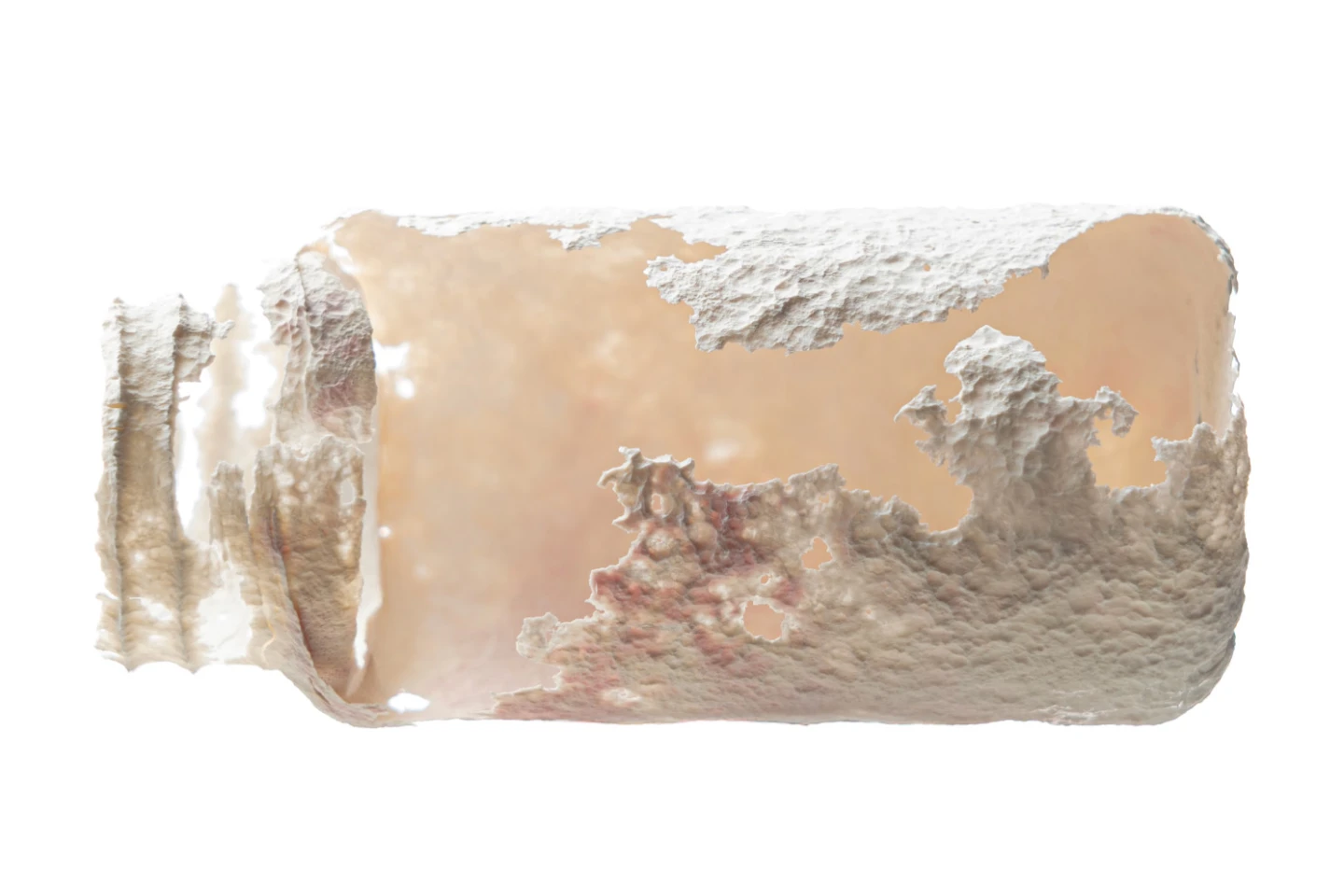
Of the myriad ongoing attempts to create a material that’s as versatile as plastic but easily degradable in nature, this one from Shellworks feels like it’s awfully close to that dream.
Vivomer is a biomaterial that behaves similar to plastic, with the benefits of being entirely bio-based and compostable at home over a period of months.
It’s waterproof, certified safe for storing food, and can go in the dishwasher.
It could help reduce reliance on plastic packaging that is produced using fossil fuels, takes eons to break down once discarded, and therefore piles up in landfills.
This Microbe-Made Material is Replacing Plastics
Not only does Vivomer already look and feel like plastic, it’s already being used to make a range of containers, tubes, and closures. Consumers can purchase Vivomer products for home use.
The material comes from London-based material science and design startup Shellworks, which was founded in 2019. It released the first-ever plastic-free eyedropper last June and bagged a Pentawards packaging award for it, and raised US$15 million this March to scale up operations.
Shelworks bagged a Pentawards prize in 2025 for its plastic-free eyedropper that can break down completely in a year.
Vivomer is made using second-generation plant-based feedstocks from agricultural and industry byproducts. In a microbial fermentation process, naturally occurring bacteria convert that feedstock into natural polymers in their cells.
These polymers are then extracted from their cells and turned into Vivomer pellets, which can then be shaped into containers and other products – just like you would with plastic through processes like injection molding and extrusion.
The same machines that work with plastic can be used with Vivomer. This material can also be formulated for specific levels of rigidity or flexibility, and for matte, glossy, and soft-touch finishes. You can even have it color-matched and labeled like any plastic product.
Shellworks is currently developing Vivomer as an alternative to materials for food and cosmetics containers like ABS, HDPE, TPE, and silicone. It works end-to-end with brands to fine-tune the material formulation, pressure-test it and create packaging solutions from start to finish. A custom product comes together in as little as six months.
Is it really plastic-free?
Vivomer is technically a type of polyester produced by microorganisms in nature called a Polyhydroxyalkanoate (PHA), so it could be called a bioplastic. The company notes that unlike some other bioplastics like PLA (polylactic acid), this can compost at home, without the need for industrial conditions to break it down.
Plus, it only uses plant-based feedstock, and doesn’t include any petrochemical additives. It also doesn’t contain toxic chemicals or compounds like BPA or PFAS used in manufacturing plastics.
And how does Vivomer hold up?
Shellworks says the material is dishwasher-safe, shower-safe, and remains stable on shelves for more than three years. As such, it can be used to make all kinds of reusable bottles and jars.
The firm says it’s already shipped over 8 million parts from its manufacturing plants in the UK, EU, and US. Brands like Wild Cosmetics and Abel Fragrance use it for refill bottles and perfume bottle caps. More recently, it’s been fashioned into squeezable bottles of Vega almond butter.
Shellworks says its material is good for storing a wide range of food and cosmetic products; it only may not work great with anything that has an alcohol content above 15%.
The company notes that unlike plastics, which can take decades to break down in nature, Vivomer biodegrades in a matter of months (depending on material thickness, temperature, moisture, and other factors) in home compost or landfills. As long as bacteria can get at it, it’ll break down.
While it’s technically recyclable, it’s not yet widely collected for this process. That’ll likely require Vivomer to become far more common around the world before it makes economic sense.
Currently, Vivomer is approximately twice the cost of conventional plastic, which may deter some brands from adopting it. However, Shellworks anticipates that as production scales, the cost will become more competitive with recycled plastic, glass, and aluminum.
For those interested in experiencing Vivomer firsthand, Shellworks offers a cutting board made from the material. This 10x15x0.3-inch model is stain-resistant, suitable for slicing meats and seafood, can be chucked in the dishwasher, and, thankfully, doesn’t shed microplastics.
Source: New Atlas