

Discarded lobster shells hit the greens as biodegradable golf tees
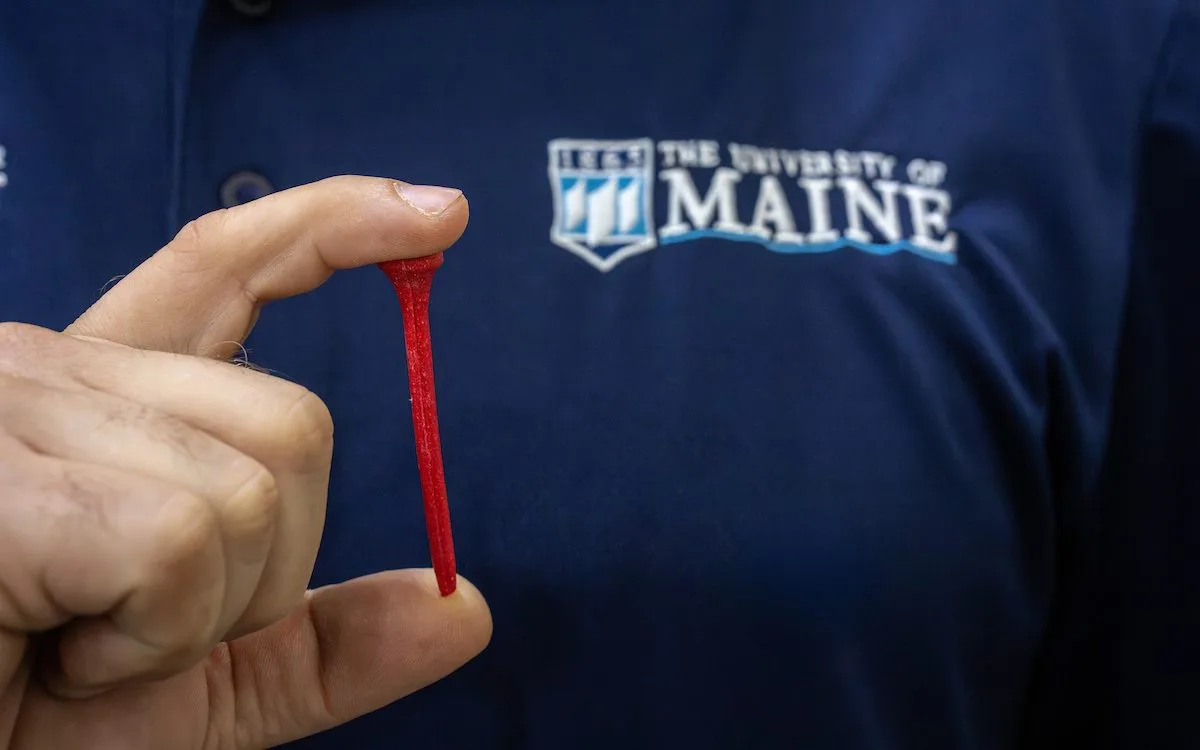
The seafood industry in the state of Maine produces approximately 50,000 tons (45,359 tonnes) of lobster shells each year, a significant portion of which ends up in landfills. Researchers at the University of Maine have sought a more sustainable use for this waste, dedicating over a decade to developing a novel application: golf tees.
The concept of recycling lobster, crab, or shrimp shells is not entirely new. These shells contain chitin, which can be processed into a biopolymer known as chitosan. Chitosan has various applications, including in wound dressings, self-healing paint, and anti-spoilage coatings for fruits and vegetables.
Why Golf Tees?
The choice to create golf tees from lobster shells stems from the significant environmental impact of traditional tees. Typically made from wood or plastic, these materials are not ideal. Wooden tees are short-lived on the golf course and can take years to decompose, with over 1 billion discarded in the U.S. annually. Plastic tees, while more durable, also break down and often leave behind fragments in the soil, leading some golf courses to ban them due to their environmental footprint.
Developing the Lobster-Shell Tees
The challenge in producing golf tees from lobster shells involved ensuring they were both durable and capable of decomposing quickly without harming the environment. The resulting lobster-shell tees are reported to be as strong as those made from eastern white pine and can decompose within 30 days.
The production process begins with drying the shells, which are then broken down into smaller pieces and ground into a powder. This powder is mixed with other natural materials, including food dyes for color, to create a composite material that can be molded into golf tees. The specific formulation used remains undisclosed.
Another obstacle was the molding process, as the lobster-shell composite behaves differently from traditional plastics when heated. To address this, the researchers developed a specialized injection molding system tailored for this new material.
Production and Future Prospects
Laboratory tests have shown promising results, with the research team increasing the production rate of the composite from 1 lb (0.45 kg) to 50 lb (22.7 kg) per hour. While this is a notable improvement, it still falls short of industrial production standards.
The estimated cost of a single lobster-shell tee currently ranges from 5 to 30 cents, reflecting the ongoing development and scaling of this innovative product.
Source: New Atlas