

Understanding Drone Failsafes: What Happens When Signal is Lost
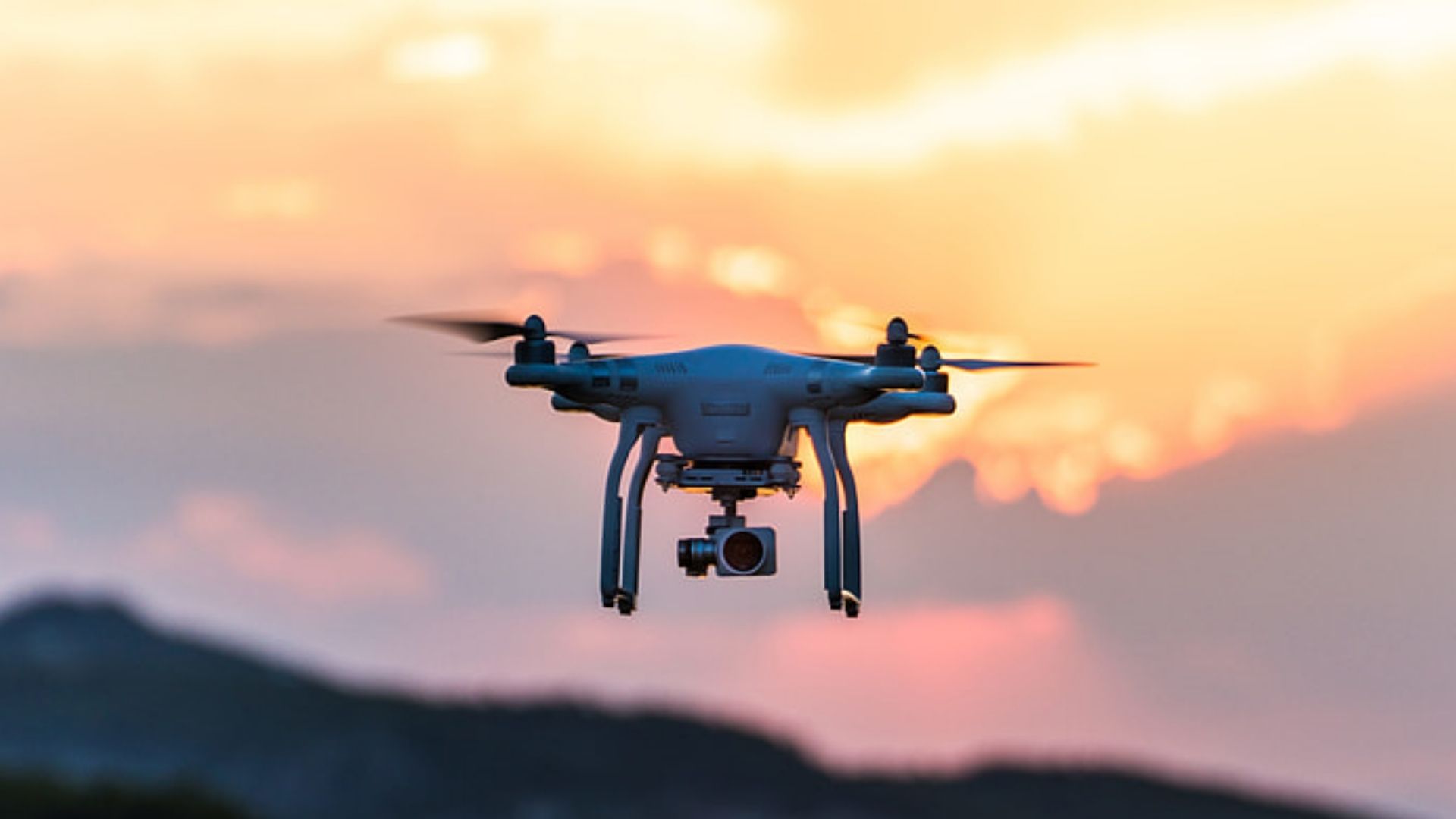
A drone losing its connection to the remote controller does not necessarily mean it will fall from the sky. Depending on its configuration, it may hover, return to its launch point, or attempt to land automatically. The response depends on which connection has failed, what flight-control systems remain available, and how the drone has been programmed.
Not all signal losses are the same
Most consumer drones rely on multiple communication and navigation systems. The command-and-control link between the aircraft and its remote controller carries the pilot’s instructions for direction, altitude, and speed. Many drones also transmit a live video feed and flight telemetry, which can experience interference independently of the control link.
Drones typically use Global Navigation Satellite Systems (GNSS), including GPS, alongside onboard sensors like compasses and gyroscopes to determine their position and movement. Losing the controller connection does not automatically mean losing GPS navigation, and a drone can lose reliable GPS information while remaining connected to the pilot.
What does a drone do when it loses connection?
Modern drones often feature a failsafe called Return to Home (RTH). When the command link is lost for a set period, the drone can use its stored home-point coordinates and navigation systems to return to its launch location. It may first climb to a predetermined altitude to avoid obstacles before following its return route and landing automatically.
However, RTH is not the only response. Some drones can be configured to hover or land where they are if the connection is interrupted. The behavior depends on the aircraft, its firmware, and the pilot’s settings. For instance, DJI drones provide configurable signal-loss responses, while open-source flight-control software like ArduPilot offers several failsafe actions, including Return to Launch and Land.
These safeguards are useful but not foolproof. RTH requires sufficient battery power, a valid home point, and navigation information to follow the route. Obstacles, wind, sensor errors, or other system failures can prevent safe completion of the maneuver.
What if the drone loses GPS?
A loss of GPS can complicate matters, as the aircraft may not know its precise position. Some multirotor drones switch to Attitude (ATTI) mode, where onboard sensors stabilize the aircraft’s orientation and maintain altitude, but it no longer holds its position using GPS. Wind can push the drone away, making manual compensation necessary, which can be challenging if the aircraft is far away.
A critical situation arises when a drone loses both its command link and navigation data, rendering it unable to receive pilot instructions or return to its launch point.
Real incidents show why failsafes are not foolproof
Two investigations by the UK’s Air Accidents Investigation Branch (AAIB) highlight the risks of navigation problems. In December 2019, a DJI Matrice M600 Pro experienced a GPS-compass error, switching to ATTI mode. The pilot attempted to activate RTH, but the drone drifted with the wind and struck a house before landing in a garden. Investigators found that the aircraft had lost reliable heading information.
In November 2021, a DJI Phantom 4 Pro encountered magnetic interference shortly after takeoff. The pilot received warnings about the loss of heading reference, and the command link subsequently failed, causing the drone to drift approximately 630 meters before landing in a tree. Both incidents demonstrate that automated recovery depends on more than just enabling a failsafe.
Can pilots prevent a flyaway?
Pilots can mitigate risks by checking GPS reception and compass warnings before takeoff, selecting an appropriate RTH altitude, and ensuring the home point is recorded correctly. Monitoring battery levels, weather conditions, and potential sources of electromagnetic interference is also crucial. Understanding how their specific aircraft behaves during navigation or communication failures and practicing manual flight can significantly impact outcomes if automated modes fail.
A drone’s recovery from signal loss depends on the operational systems. RTH and other failsafes can help manage routine communication interruptions, but they cannot address every combination of sensor failure, interference, and environmental conditions.
Source: Interesting Engineering