

Tesla Begins Production of Optimus Robots, Aiming for 20,000 Units Weekly by 2027
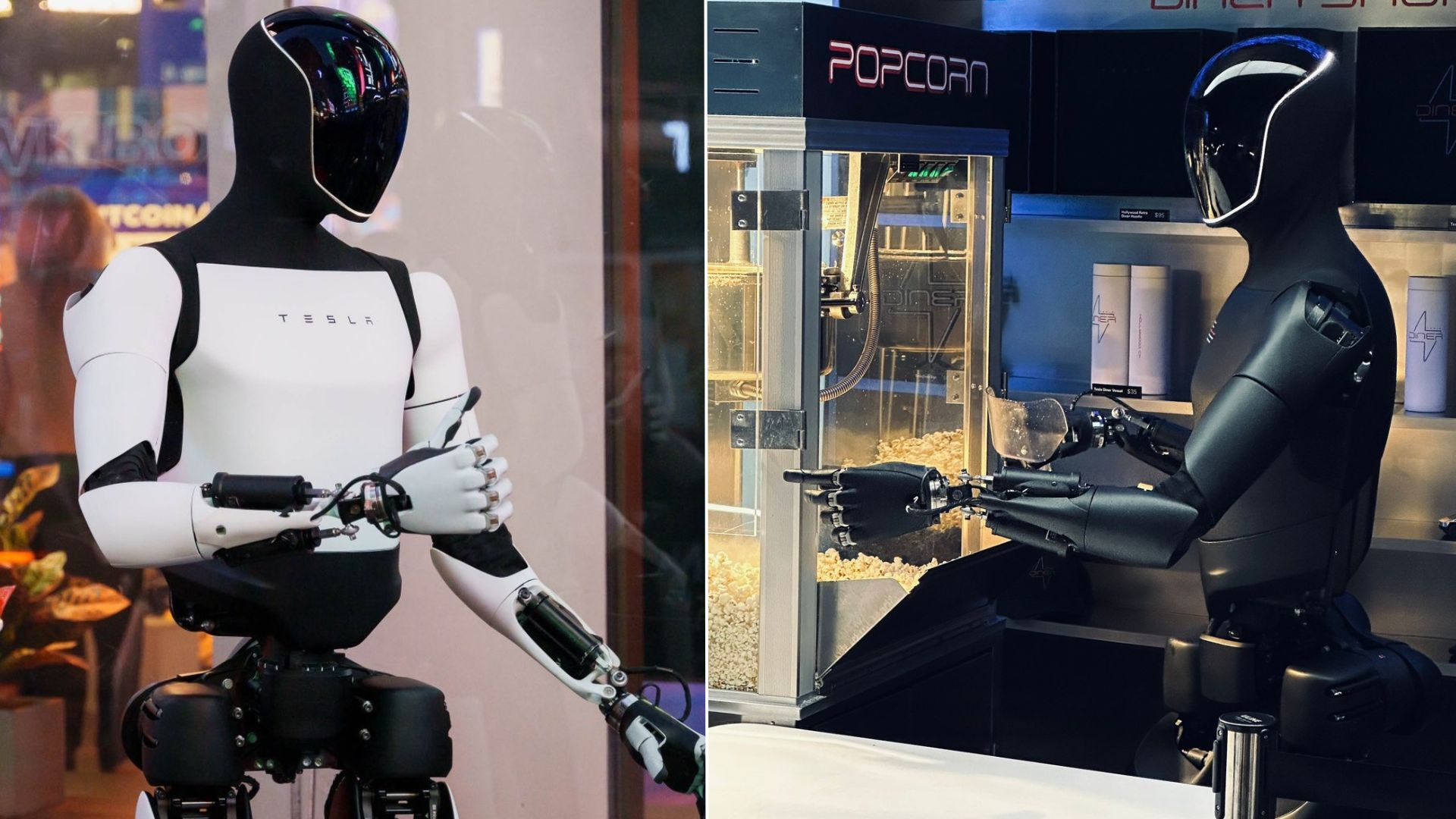
Tesla has commenced the manufacturing of its Optimus humanoid robots at its facility in Fremont, California. This development marks a significant step towards the commercial deployment of the robots, with CEO Elon Musk targeting a production rate of 20,000 units per week by the end of 2027.
The production lines, previously dedicated to electric vehicle assembly, have been repurposed to support Tesla’s robotics initiatives. This initial production run represents the first time the company has manufactured Optimus units to production standards, although achieving mass production will require further engineering and enhancements in manufacturing efficiency.
Tesla announced this milestone during its third-quarter 2026 shareholder update. Musk cautioned investors that the ramp-up in production would be gradual, as Optimus introduces a new product category for the company.
Tesla’s Manufacturing Strategy
The company has established a manufacturing process it deems suitable for a commercial Optimus product. However, Tesla anticipates that it will need to refine both its production methods and the robot’s hardware as manufacturing expands.
Musk described the current phase as early production during the earnings call, highlighting that scaling output will involve challenges as engineers work to build humanoid robots at industrial volumes.
Challenges Ahead
Reliability remains a critical challenge for Tesla. The company aims for Optimus to operate safely over extended periods without frequent repairs or component failures. Musk acknowledged that further refinement of the robot’s design is necessary to meet these reliability standards.
Software development also poses significant hurdles. Tesla must create capabilities that enable Optimus to perform unfamiliar tasks reliably. Musk noted that substantial work is still needed before the robot can undertake a wide range of activities autonomously.
Infrastructure and Supply Chain Expansion
To support its ambitious production goals, Tesla is also enhancing its computing infrastructure, aiming to achieve 400 megawatts of training computing capacity by the end of 2026. This infrastructure will facilitate software development for both its vehicles and the Optimus robots.
Additionally, Tesla is expanding its battery manufacturing operations to alleviate supply constraints that have affected its vehicle production. Projects include increasing battery pack capacity in Berlin and lithium refining in Texas.
The robotics initiative comes as Tesla faces challenges in its core automotive business. In the third quarter, the company reported revenue of $28.04 billion, nearly unchanged from $28.09 billion a year earlier, while profits fell by 43% due to rising expenses associated with robotics and computing infrastructure investments.
Ultimately, Tesla’s ability to transform Optimus into a reliable commercial product will depend on synchronized advancements in manufacturing scale, battery availability, and software development.
Source: Interesting Engineering