

Viking Libra: The World’s First Hydrogen-Powered Cruise Ship Set to Host 998 Guests
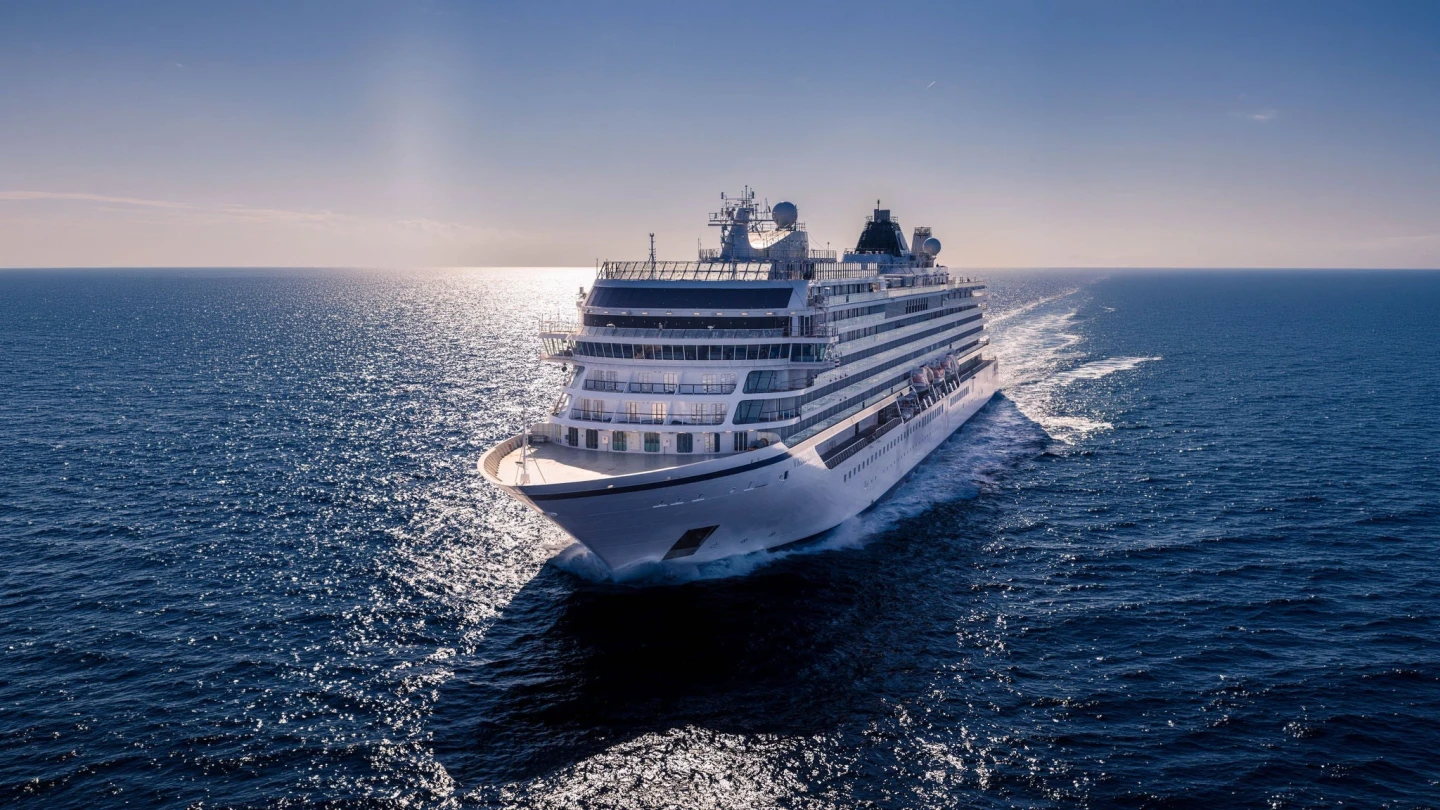
The Viking Libra, the world’s first hydrogen-powered cruise ship, is designed to host 998 guests for approximately 10 hours using hydrogen fuel, which is more environmentally friendly than traditional diesel. Fincantieri recently handed over the vessel to Viking in Ancona, Italy.
Viking plans for the Libra to sail around the Mediterranean and northern Europe during its inaugural season. However, both the Libra and its sister ship, the Viking Astrea, which is still under construction, are not expected to operate on hydrogen until 2027.
The use of hydrogen as fuel could significantly reduce the health impacts of cruise ships in port cities. For instance, a single cruise ship docked in Juneau, Alaska, reportedly emits more nitrogen oxides in eight hours than 10,000 cars, according to the city.
Regulations are tightening in various regions regarding emissions from cruise ships. Norway will require zero emissions from passenger ships over 10,000 gross tons, like the Libra, in its World Heritage fjords starting January 1, 2032. Additionally, the European Union mandates that cruise ships connect to the power grid at major ports by 2030.
The Libra’s fuel-cell system is produced by Isotta Fraschini Motori, Fincantieri’s fuel cell subsidiary. It utilizes liquid hydrogen to power two containerized proton-exchange-membrane (PEM) fuel-cell units, generating electricity by combining hydrogen with oxygen from the air, with water as the only byproduct. This system produces 6.3 MW of power, while a 4.7-MWh battery manages peak demand. The hydrogen tanks are designed to be removable, allowing for transport by truck, which means the ship won’t rely on hydrogen stations at the dock.
While marketed as a hydrogen ship, the Libra operates as a hybrid. Its zero-emission mode lasts about 13 hours, including three hours of sailing at 10 knots (11.5 mph, 18.5 km/h) and 10 hours while docked. During other times, it relies on conventional engines. Fincantieri anticipates that the vessel will reduce its annual emissions by approximately 20% compared to traditional cruise ships powered solely by fossil fuels.
However, the source of the hydrogen remains a critical question, as neither Viking nor Fincantieri has disclosed the specifics of hydrogen sourcing.
Source: New Atlas