

Honda Develops In-Road Wireless Magnetic EV Charging System
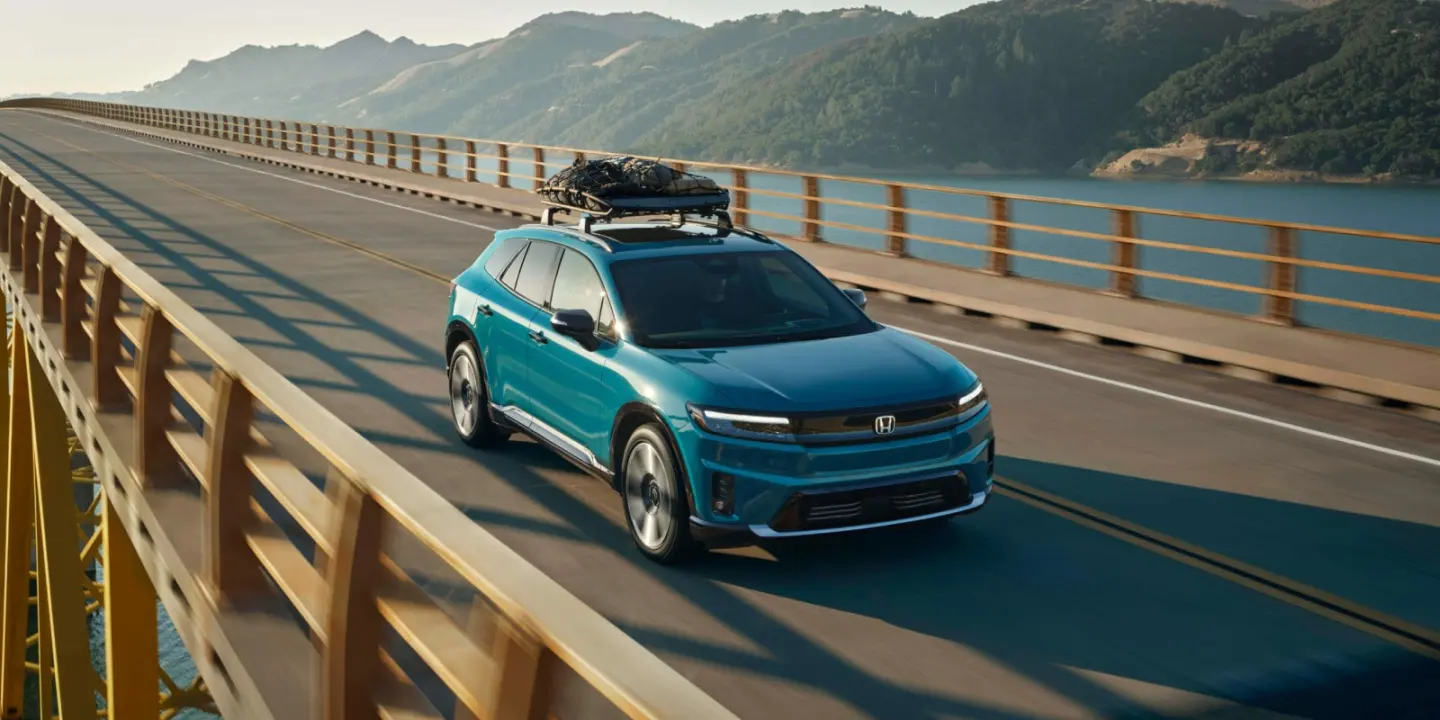
Honda, alongside partners Taisei and Taisei Rotec, is developing a wireless charging system for electric vehicles (EVs) that allows charging while driving. This innovation aims to eliminate the need for stopping at charging stations, making the process more seamless.
The technology, known as magnetic coupling dynamic wireless power transfer (DWPT), integrates charging capabilities directly into the road infrastructure. Although the concept is promising, it is still in the development phase, with testing set to begin soon.
How the System Works
The DWPT system consists of three main components: a ground-based DC power supply, a distribution assembly that connects multiple power transmitter units within the road, and a vehicle-mounted receiver unit that transfers energy to the EV’s battery.
This setup generates an electromagnetic field between the vehicle and the ground assembly, allowing for efficient charging without physical contact, which can create friction and wear.
Initial Applications and Testing
Honda plans to implement this technology primarily in logistics and transportation sectors. The company is preparing to build a dedicated test lane later this year to evaluate performance, electromagnetic field management, and durability under real-world conditions.
Initial tests will focus on ensuring the system can deliver up to 150 kW of power, especially for heavy commercial vehicles, while maintaining efficiency at higher speeds.
Global Context and Future Prospects
The concept of charging vehicles while driving is not entirely new. Various projects worldwide, such as those in France and Detroit, have tested similar technologies with varying success. Honda’s approach aims to refine these concepts and bring them closer to practical application.
As Honda prepares to showcase its technology at industry events like the Japan Mobility Show Bizweek in mid-October, questions remain about the system’s efficiency, infrastructure durability, and overall cost to consumers. The viability of such systems may hinge on their implementation in high-traffic areas where they can provide the most benefit.
While the future of wireless charging roads is still uncertain, Honda’s ongoing developments offer a glimpse into a potentially transformative aspect of electric mobility.
Source: New Atlas