

China sets 2030 deadline for first lunar resource extraction, plans to produce rocket fuel
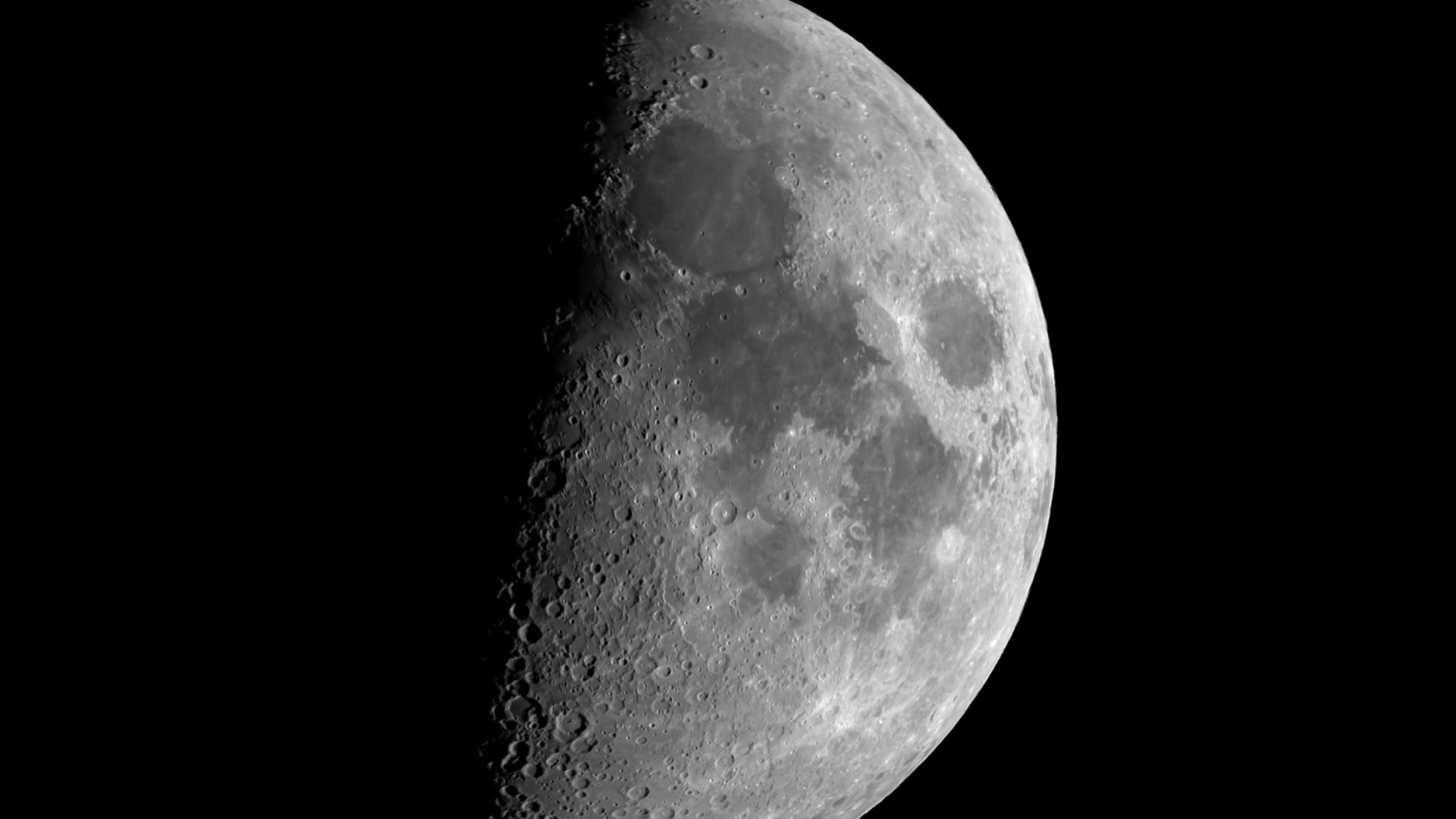
China is setting its sights on lunar resource extraction, with plans to demonstrate technologies for extracting water and oxygen from the Moon by 2030. This initiative marks a significant step in a long-term strategy to utilize lunar materials for future space missions.
The proposal, put forth by Wu Weiren, chief designer of China’s lunar exploration program, is detailed in a paper scheduled for publication in the Journal of Deep Space Exploration. The research team emphasizes the need to showcase at least one key resource-extraction technology during an upcoming robotic Chang’e mission or a planned crewed lunar landing.
Beyond the initial demonstration, China aims to establish a small-scale facility for producing water, oxygen, and construction materials from lunar resources by 2040, with full-scale extraction operations planned for 2050. The researchers view the next two decades as critical for transitioning space resource development from scientific research to industrial applications.
Extracting Useful Resources from the Moon
A primary challenge is proving that materials on the Moon can be extracted and processed into usable resources. Water ice, believed to exist in permanently shadowed regions near the lunar poles, is a key target.
Extracting this ice could provide drinking water for astronauts. Additionally, water can be separated through electrolysis into hydrogen and oxygen, supplying essential elements for life-support systems and hydrogen-based rocket propellant.
Another potential resource is oxygen trapped in lunar soil, known as regolith. This material contains oxygen bound within minerals and metal oxides, which can be extracted through chemical or thermal processing methods. Technologies such as molten regolith electrolysis and hydrogen reduction are among the approaches being explored.
Furthermore, lunar regolith could serve as a source of construction materials. Processing the soil into bricks or blocks could reduce the need for transporting structural materials from Earth, aligning with the broader concept of in-situ resource utilization (ISRU).
Strategic Locations in Space
The researchers’ roadmap also highlights the strategic significance of locations beyond the lunar surface, particularly Lagrange points and distant retrograde orbits. These positions, where gravitational forces allow spacecraft to maintain stable orbits, could serve as bases for communications infrastructure and spacecraft staging.
China has already demonstrated the utility of this approach with its Queqiao relay satellite, launched in 2018, which operates near the Earth-Moon L2 region, facilitating communications between Earth and the Chang’e-4 lander on the lunar far side.
Controlling access to these strategically valuable locations will be as crucial as extracting lunar resources. The competition extends beyond finding water and oxygen to establishing a sustained presence and logistical capabilities around the Moon.
Source: Interesting Engineering