

Innovative Toothbrush Design Uses Electricity to Combat Oral Bacteria
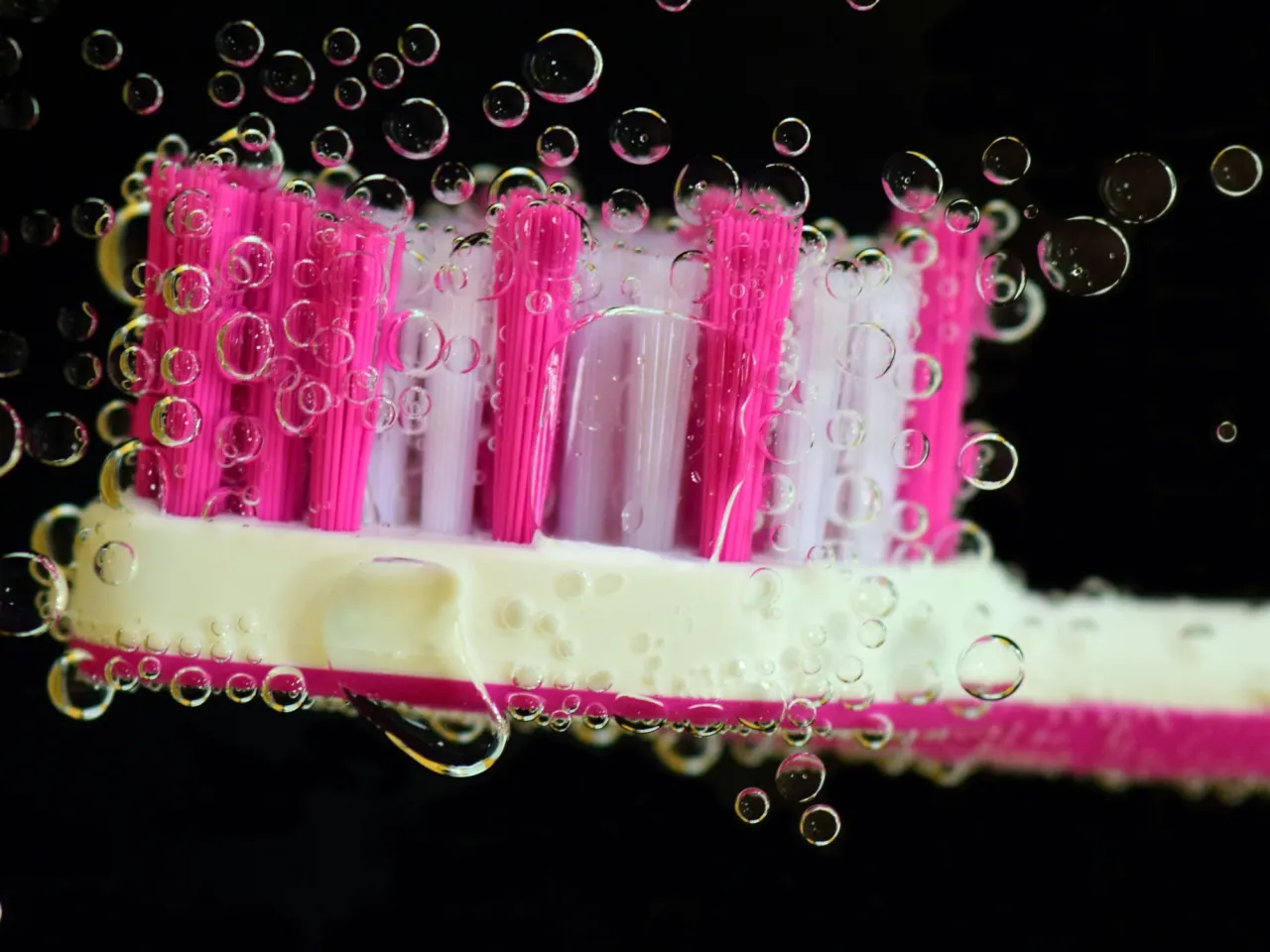
Researchers in China have created an experimental toothbrush that utilizes piezoelectric filaments to generate an electrical charge, which enhances its ability to combat bacteria responsible for plaque and cavities.
Despite the advanced engineering of modern electric toothbrushes, cleaning teeth often resembles merely sweeping a miniature broom around the mouth, failing to effectively eliminate persistent bacteria.
This new toothbrush design aims to address this issue by producing a sterilizing chemical reaction that targets the bacteria that create plaque. The bristles generate reactive oxygen species, which are chemically reactive substances that can damage bacteria.
Traditional tooth brushing disrupts the biofilm formed by bacteria, but this new approach facilitates chemical reactions directly at the source of the problem. Previous attempts to enhance toothbrushes included ion-generating designs that release charged particles to repel plaque, but these often require batteries or have stability issues.
The innovative design incorporates polyvinylidene fluoride (PVDF) filaments into the bristles, which generate an electrical charge without needing a battery. Laboratory tests showed that this method significantly reduced populations of key oral pathogens, such as _Streptococcus mutans_ and _Porphyromonas gingivalis_, by 45 to 78% compared to standard nylon brushes.
Additionally, the PVDF filaments demonstrated a removal efficiency of over 99% in disrupting biofilms during tests on cow teeth. A three-month evaluation involving over 100 volunteers indicated reductions in harmful bacteria and improvements in plaque and gum health compared to conventional brushing.
While these results are promising, the researchers caution that a decrease in harmful bacteria does not necessarily equate to fewer overall bacteria or guarantee a reduction in cavities or gum disease over time. Further long-term studies are needed to fully assess the effectiveness of this new toothbrush design.
This research was published in _Science Advances_ and represents a significant step toward improving dental hygiene through innovative technology.
Source: New Atlas