

Neuralink Secures FDA Approval for Pivotal Brain-Computer Interface Trial
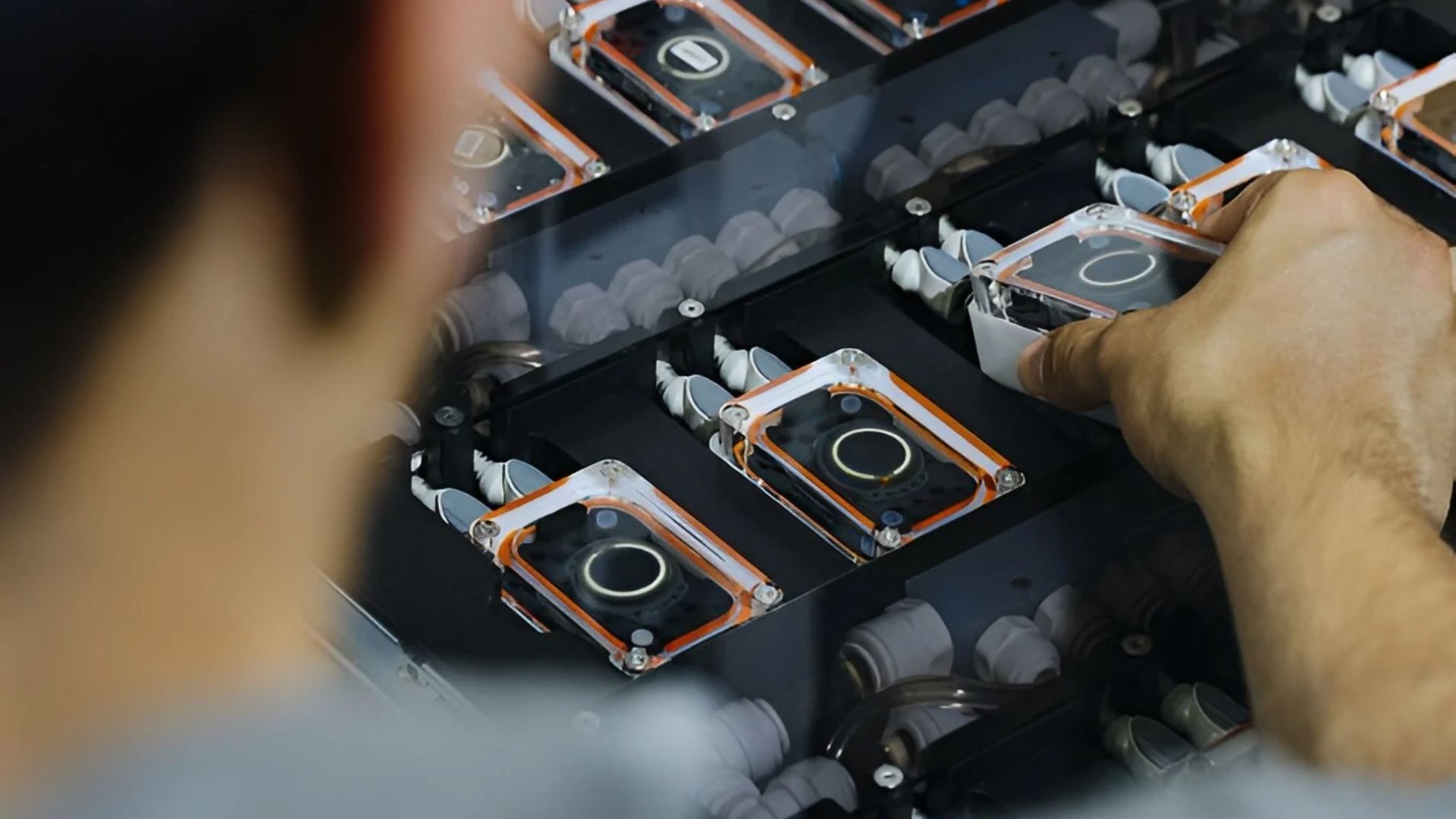
Neuralink has received approval from the US Food and Drug Administration (FDA) to launch LINK, its first pivotal clinical trial for an implantable brain-computer interface (BCI). This study will assess the safety and effectiveness of the technology in individuals suffering from severe paralysis caused by amyotrophic lateral sclerosis (ALS).
On November 25, Neuralink announced that this trial builds on its ongoing early feasibility studies conducted in the US, Canada, and the UK, which have involved over 30 participants. These individuals have contributed thousands of hours of real-world usage of the company’s brain-computer interface.
The LINK Pivotal Study aims to evaluate how effectively participants can use the Neuralink system to control digital devices through thought alone. The research will focus on functional outcomes that could enhance independence in daily activities, as well as the long-term safety and reliability of the implant.
Enrollment for the study is now open, with plans for the program to expand across multiple clinical sites in the US.
How the Implant Works
The system being evaluated utilizes Neuralink’s N1 Implant, which records neural activity via fine electrode threads inserted into the brain’s motor cortex, the area responsible for movement. The implant detects electrical signals related to intended movements and translates them into commands that enable users to interact with digital devices.
Participants can learn to control a computer cursor by merely imagining moving their hand, without any physical movement. Neuralink’s existing Telepathy program has demonstrated capabilities such as cursor navigation and mouse functions, including left, right, and middle clicks. Users have also engaged in activities like messaging, browsing the internet, coding, creating digital art, and playing video games.
The implant is inserted using the company’s R1 surgical robot, which places the fine electrode threads into the brain. The N1 device is housed within the skull, eliminating the need for external wires or battery packs. It communicates wirelessly with a computer and can be charged wirelessly through the scalp.
Significance of the Pivotal Trial
This new study marks a significant advancement beyond Neuralink’s earlier-stage human testing. The PRIME program was designed as an early feasibility study to assess the initial safety and functionality of the N1 Implant, R1 Robot, and associated software in individuals with paralysis.
A pivotal trial is a later-stage clinical investigation aimed at generating evidence regarding a medical device’s safety and effectiveness for a specific intended use. Such evidence can support future regulatory applications, although successful completion does not guarantee marketing authorization.
It is important to note that the FDA’s approval to launch LINK does not imply that the Neuralink implant has been approved for general medical use. The company continues to classify its devices as investigational and available only through authorized clinical research.
Neuralink’s trial information specifies that adults living with ALS are eligible for the pivotal study. The published participation pathway includes follow-up assessments extending up to 24 months post-implantation, allowing researchers to monitor device performance and participant safety over time.
While the company’s announcement did not disclose the planned number of participants or provide a detailed breakdown of clinical sites, this milestone could bring Neuralink closer to establishing the clinical evidence necessary for a future regulatory submission. The pivotal study must demonstrate that the implant can reliably control digital devices while maintaining an acceptable safety profile over an extended period.
Source: Interesting Engineering