

Hazmat suit coating neutralizes nerve agents
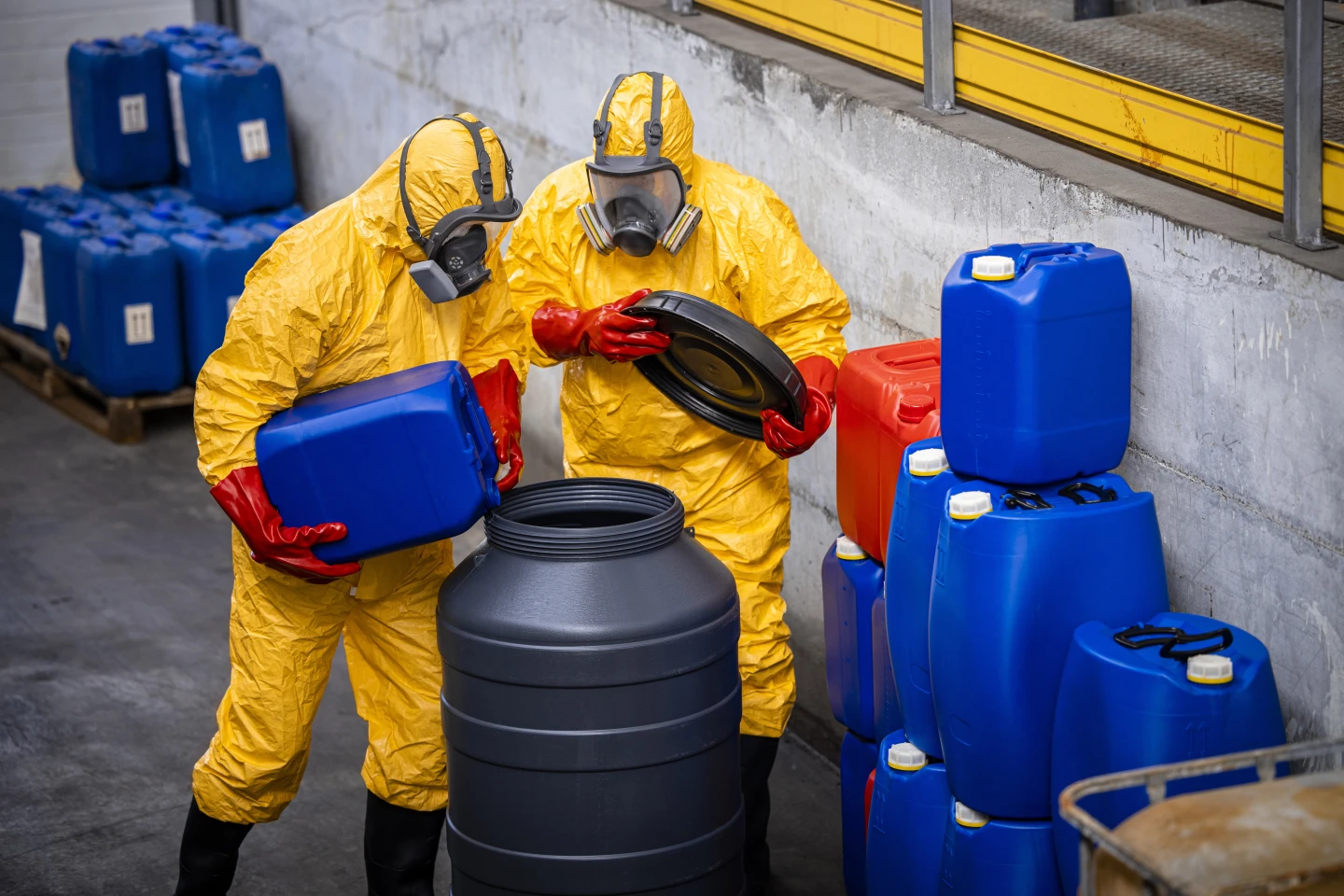
Researchers at Northwestern University in Evanston, Illinois, are working on a new coating for hazmat suits that could neutralize deadly nerve agents. This innovative approach aims to protect individuals from hazardous chemicals by chemically breaking them down rather than merely blocking them.
The research began over a decade ago with the goal of finding ways to protect soldiers from chemical weapons, particularly nerve agents, which can disrupt the nervous system and lead to severe health consequences, including seizures and death.
While existing protective clothing serves as a physical barrier, the new compound being developed goes further by deactivating nerve agents. This coating is not a new fabric but a chemical that can be applied to any material, functioning similarly to a dye but altering the fabric’s chemical properties instead of its color.
In 2015, the research team discovered that zirconium-containing materials could help break down toxic agents. The latest development combines zirconium with allomelanin, a pigment found in fungi that absorbs small molecules and heavy metal ions. This combination allows the material to trap harmful molecules while zirconium destroys them, with water acting as a catalyst to activate the reaction.
However, breaking down toxic chemicals can produce byproducts, some of which may be harmful. The allomelanin-zirconium reaction generates nontoxic dimethyl phosphate and highly toxic methyl nitrophenyl. Allomelanin plays a crucial role in binding to the methyl nitrophenyl, reducing its concentration to a safer level.
Laboratory experiments showed that the concentration of toxic methyl nitrophenyl decreased by 50% within 10 minutes. Further enhancements, such as adding more melanin and exposing the material to sunlight, improved its effectiveness, although specific results were not disclosed.
Prof. Nathan Gianneschi, a co-author of the study, emphasized the extensive research on melanin over the past 12 years, stating that it has led to a better understanding of its functions and potential applications in protective materials.
Despite the promising laboratory results, further research is needed to assess the technology’s performance in real-world conditions. The development of this coating represents a significant step toward creating materials that could save lives in hazardous environments.
A paper detailing this research was published in the journal ACS Nano.
Source: New Atlas