

Identifying White Label Gadgets: A Guide for Consumers
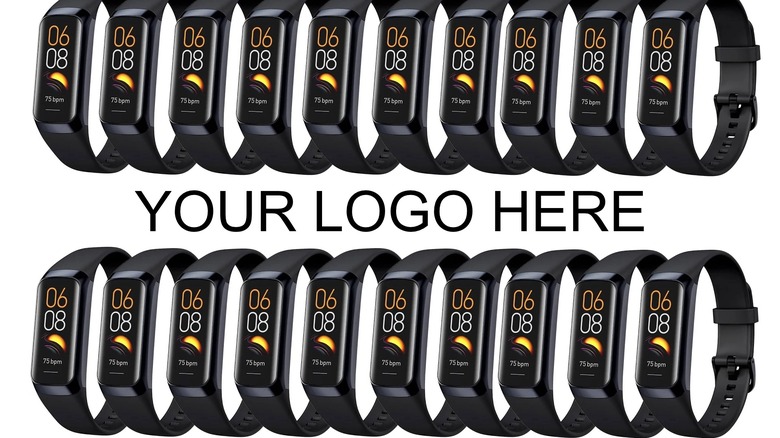
As the market becomes saturated with white label devices, consumers need to be vigilant about what they are purchasing. White label gadgets are often produced by a single factory and sold under various brand names, which can lead to confusion and potential disappointment.
White label manufacturing is common, especially among tech devices. Many well-known companies outsource production to a small number of factories, resulting in products that may appear under different brands. For instance, Sony has previously branded products made by Samsung and LG, showcasing that even reputable companies engage in this practice.
However, the market is also filled with generic devices produced by Original Device Manufacturers (ODMs). Engadget’s Steve Dent highlighted an example where the same gimbal camera was sold under three different names, all featuring identical images on their listings. This phenomenon extends beyond cameras to various tech products.
In the smart ring market, many brands trace back to a single ODM, J-Style, which offers rapid white label services. Rings sold by Fittr, Qalo, and Insix are all variations of the same J-Style X1 model. Similarly, the Reebok-branded smart ring closely resembles J-Style’s X6 ring.
To avoid purchasing a white label gadget, consumers should conduct thorough research before making a purchase. Looking up reviews from reputable sources and social media platforms can reveal the true quality of a product. If a product lacks independent reviews, it may be an indication that the company is trying to avoid scrutiny.
Brand reputation plays a significant role in this landscape. Established companies invest time in building trust, making them less likely to risk their reputation with low-quality products from third parties. Medium-sized companies, however, may license their brand for various products, which can lead to inconsistencies in quality.
Zombie brands, or names that have been revived after bankruptcy, often reappear on low-quality products. Kodak, for example, has been associated with numerous companies, making it difficult for consumers to discern the quality of products bearing its name.
White label manufacturing allows companies to enter new markets with minimal risk. If a company known for a different industry suddenly offers tech gadgets, it’s likely they are using an ODM. Genuine tech companies typically provide detailed information about their products and the development process.
Amazon is a useful platform for spotting white label gadgets. Many devices are sold under multiple brand names, often using the same promotional images. For example, in the low-end fitness tracker market, several brands offer similar devices with identical specifications, all using the same companion app.
While not all white label gadgets are of poor quality, consumers should exercise caution, especially with suspiciously cheap devices. Being aware of these factors can help avoid the pitfalls of purchasing subpar products.
Source: Engadget